Architects and designers play a pivotal role in the construction and design industry, particularly when it comes to selecting materials that combine aesthetics with performance. Among the myriad of materials available, aluminum stands out for its versatility, durability, and modern appeal. In urban environments like London, where both functionality and style are crucial, aluminum solutions—particularly windows and doors—are becoming increasingly popular. However, the task of specifying these elements goes beyond mere selection; it encompasses understanding their properties, applications, and long-term benefits.
Understanding Aluminum as a Material
Aluminum is renowned for its lightweight yet robust nature. This metal's resistance to corrosion makes it an ideal choice for various applications, especially in urban settings exposed to the elements. Unlike steel, aluminum does not rust; instead, it develops a protective oxide layer that enhances its longevity. Architects often appreciate this feature when designing buildings that require minimal maintenance over time.
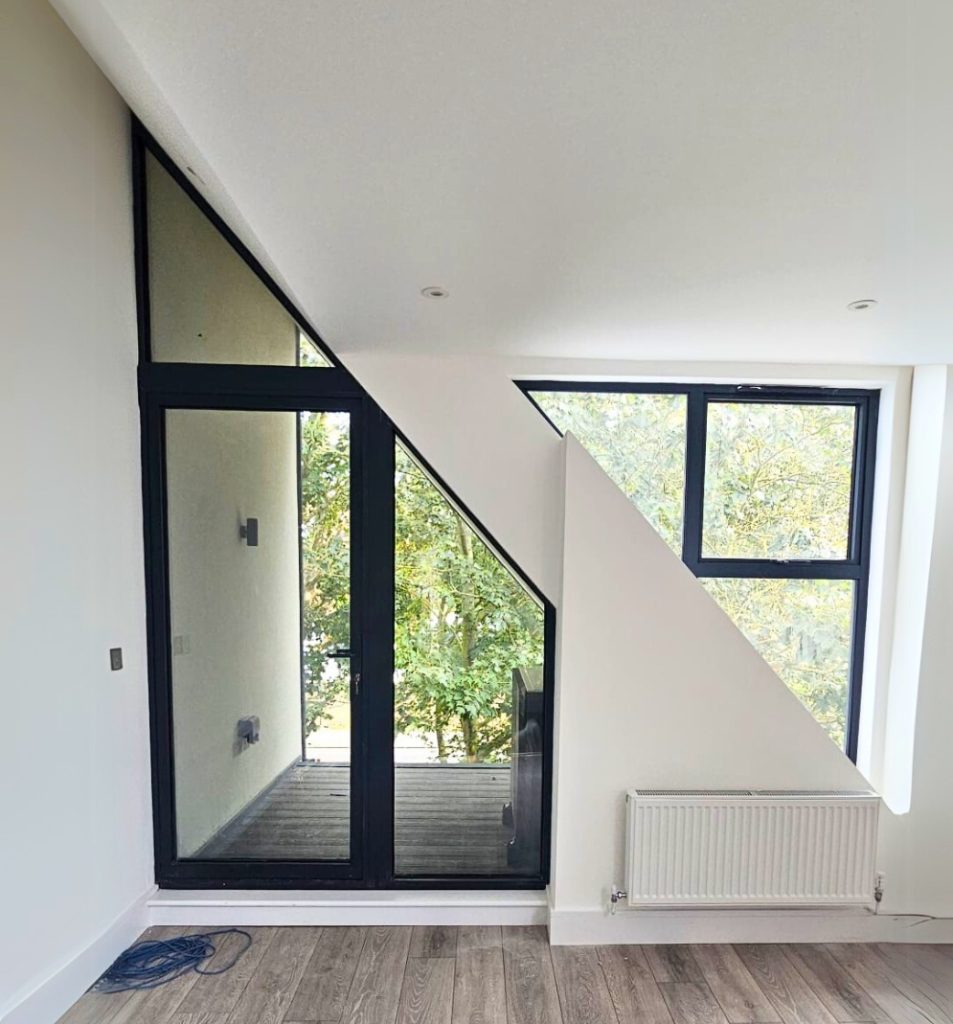
Furthermore, aluminum can be easily molded into diverse shapes and sizes, allowing designers to push boundaries in their architectural visions. From sleek frames to intricate designs that complement traditional or contemporary styles, aluminum provides flexibility without compromising strength. For instance, large glass panels framed in aluminum can create stunning facades that invite natural light while maintaining structural integrity.
Aesthetic Considerations
The visual appeal of aluminum windows and doors adds significant value to any project. With advanced powder-coating techniques available today, architects can offer clients an extensive palette of colors and finishes. This customization not only improves aesthetic compatibility with surrounding structures but also enhances the overall marketability of residential or commercial projects.
When specifying aluminum solutions in London specifically, architects must consider how these choices align with local design trends. In areas characterized by historical architecture juxtaposed against modern developments, the ability to blend old-world charm with contemporary efficiency is vital. Thoughtful detailing in window design can bridge this gap effectively.
Energy Efficiency: A Key Concern
In an era where energy efficiency is paramount due to environmental concerns and rising energy costs, architects have a responsibility to specify materials that reduce energy consumption. Aluminum frames equipped with thermal breaks can significantly improve insulation properties compared to traditional options. By incorporating double or triple glazing alongside insulated frames, designers ensure that buildings maintain comfortable temperatures year-round while minimizing reliance on heating and cooling systems.
An example highlighting this benefit can be seen in several recent developments across London where sustainable building practices are prioritized. Projects utilizing high-performance aluminum windows have achieved notable energy ratings thanks to their excellent thermal efficiency. Such specifications not only benefit occupants but also contribute positively toward sustainability goals which are increasingly important in architectural practice.
Collaborating with Manufacturers
The relationship between architects/designers and manufacturers of aluminum products is crucial for successful project outcomes. Engaging with reputable aluminum door manufacturers in London allows designers to stay informed about the latest innovations in https://emilianotoub574.image-perth.org/creating-seamless-transitions-with-sliding-aluminum-glass-doors product offerings while ensuring compliance with safety standards and regulations.
Regular workshops or training sessions provided by manufacturers can help architects understand new technologies like integrated smart systems or enhanced security features available in modern aluminum solutions. This collaboration fosters a better understanding of how specific products perform under different conditions while enabling designers to make informed decisions about material selections tailored for each project’s unique requirements.
Practical Applications in Design
When integrating aluminum windows and doors into architectural designs, practical applications vary widely based on project type—residential versus commercial buildings each present distinct challenges and opportunities.
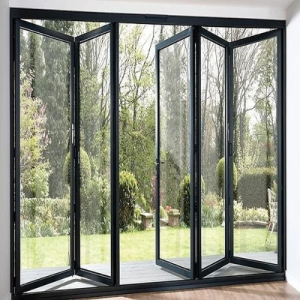
In residential contexts, maximizing natural light through expansive window arrangements creates inviting living spaces that enhance inhabitants' quality of life. For instance, bi-folding doors made from robust aluminum allow residents seamless transitions between indoor and outdoor areas—a feature increasingly desired by homeowners seeking an open-plan lifestyle.
Conversely, commercial projects may prioritize security alongside aesthetics—aluminum doors designed for retail environments can offer both durability against vandalism while still presenting an attractive storefront image crucial for customer engagement.
Addressing Challenges
Despite its many advantages over other materials such as PVC or timber alternatives—including longevity—the choice of aluminum solutions does come with challenges that architects must navigate wisely:
Cost Considerations: While generally more expensive upfront than some alternatives like PVCu systems or timber frames when considering lifecycle costs (durability/maintenance), they present better long-term value.
Thermal Performance: Although thermal breaks enhance insulation properties significantly; care must be taken during installation processes which could potentially compromise these benefits if done improperly.
Acoustic Performance: In busy urban areas where noise pollution is prevalent—specifying products designed specifically for sound attenuation may be necessary depending on location demands.
Condensation Issues: Proper detailing is essential; otherwise condensation may occur at junctions leading to potential water ingress issues within buildings if unaddressed properly during construction phases.
Design Limitations: While versatile; some extreme designs might challenge fabrication capabilities requiring early engagement discussions between architect teams/manufacturers alike before committing designs fully onto plans/drawings stage-wise leading towards finalization phases later down line.
Understanding these trade-offs allows architects not only to specify appropriate solutions but also manage client expectations throughout project life cycles effectively—from initial concept through completion stages—all contributing towards successful outcomes ultimately benefiting end-users involved as well!
The Future of Aluminum Solutions
Looking ahead at emerging trends within architecture & design sectors globally—it will be interesting observe how innovations continue shaping possibilities concerning use-case scenarios surrounding high-performance materials such as aluminium frames/windows/doors moving forward! Climate change awareness drives demand for sustainable building practices resulting primarily from increased regulatory pressures imposed upon developers across Europe particularly including UK regions too!
Architects must remain adaptable while keeping abreast technological advancements ensuring designs meet future-proof standards set forth by society’s evolving needs regarding sustainability/environmental concerns simultaneously enhancing occupant experiences alike!
By embracing collaboration along supply chains—architects establish valuable partnerships yielding fruitful results benefitting all stakeholders involved—from clients/homeowners seeking optimal living conditions down through contractors ensuring quality installations executed professionally whilst meeting deadlines efficiently without compromising standards expected overall throughout processes involved therein too!
Final thoughts? Specifying aluminium solutions involves considerable responsibility—not merely concerned about aesthetics alone—but rather thoughtful considerations encompassing performance aspects matching client goals/objectives pursuing successful outcomes ultimately making lasting impacts within built environments created together collectively!